The allure of chance and risk
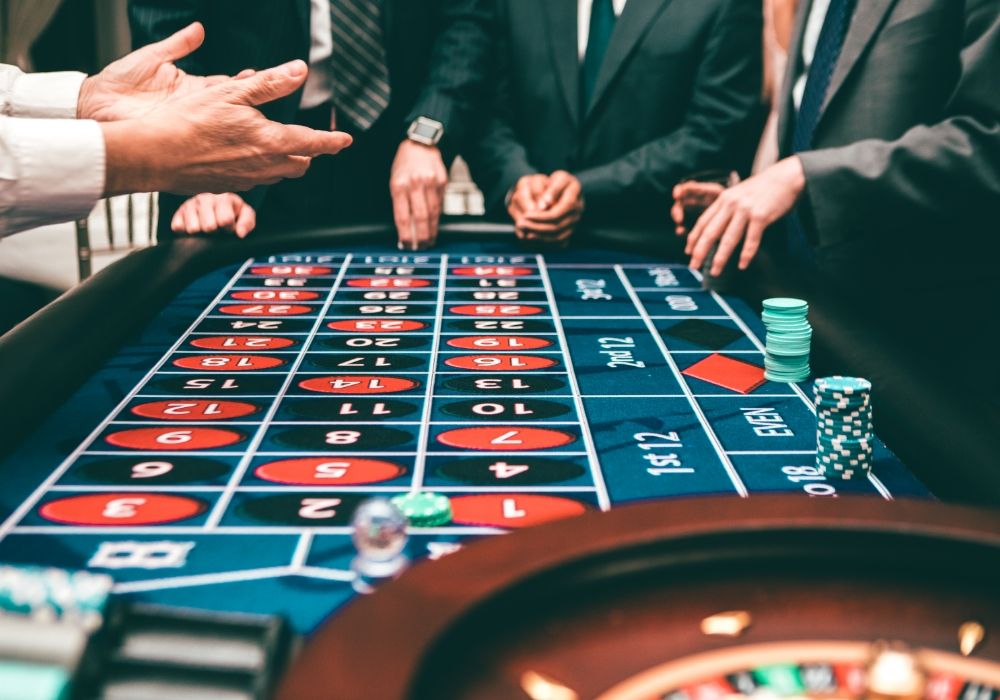
The psychology behind casino gaming is deeply intertwined with the allure of chance and risk. Many players are drawn to the idea of winning big with a minimal investment, which taps into our natural human inclination towards thrill-seeking behavior. The unpredictability of games like roulette or slots heightens excitement, creating an adrenaline rush that can be irresistible, especially when exploring starcasinoonlineau.com for unique gaming options. This combination of potential rewards and inherent risks is what makes gaming environments so magnetizing and captivating for various individuals.

Moreover, casinos are designed to enhance this sense of risk and reward through various sensory stimuli. The bright lights, sounds of winning, and even the layout of games all work together to create an engaging atmosphere that encourages players to take risks. The psychology of near misses—when a player comes close to winning but does not—can further amplify this effect, as it keeps players hopeful and motivated to continue playing. Understanding this aspect of gaming psychology helps explain why people often find it difficult to leave a casino, even when they are experiencing losses.
In many ways, this attraction to risk mirrors our everyday decision-making processes. In life, we often weigh risks against rewards, and casino gaming offers a compact version of this scenario. The thrill of a potential jackpot can overshadow the reality of losing bets, leading many individuals to engage in behavior that might be considered irrational. This emotional rollercoaster is a key factor in why people return to casinos time and again, often motivated by the next chance of a big win and the excitement it promises.
The role of social interactions
Social interactions play a significant role in the psychology of casino gaming. For many, casinos are not just places to gamble but social hubs where people come together to share experiences. Engaging with friends or strangers while playing can enhance the enjoyment of the game, making it a communal activity rather than a solitary one. The social aspect can often motivate individuals to prolong their stay, as bonding over shared victories or empathizing with losses creates a sense of camaraderie that enriches the overall experience.
Additionally, the presence of others can influence individual behavior in gaming environments. Social facilitation, where the performance of individuals is affected by the presence of others, can lead to more risk-taking behavior. This phenomenon is particularly evident in group games like poker, where bluffing and strategic play are greatly influenced by the actions of opponents and allies. The social dynamics of casino gaming enhance the emotional stakes involved, thereby deepening the overall experience and creating lasting memories for participants.
Furthermore, casinos often foster a sense of competition among players. Tournaments and games that encourage player interaction can intensify the experience, motivating individuals to push their limits with the hope of coming out on top. This competitive spirit not only makes the gaming experience more thrilling but can also lead to a cycle of repeated visits, as players seek to improve their skills and enjoy the social interactions that come with playing together, further enhancing their connection to the gaming environment.
The impact of environment and design
The design and environment of casinos are pivotal in shaping the psychological experience of players. From the moment individuals step into a casino, they are enveloped in a carefully crafted atmosphere that seeks to stimulate their senses and encourage prolonged engagement. The use of color, lighting, and sound creates an immersive environment that can alter perceptions of time and money, making it easy for players to lose track of both. This manipulation of sensory experiences is a deliberate strategy employed by casinos to keep players engaged.
Casinos often employ a strategy of disorientation; there are no clocks or windows to indicate the passage of time, leading players to stay for longer periods. This intentional design choice manipulates psychological states, encouraging players to spend more money as they become engrossed in the experience. Research has shown that the ambiance can significantly affect how players engage with various games, influencing their willingness to take risks and their overall satisfaction with the gaming experience provided in these venues.
Moreover, the placement of games and the availability of amenities, such as bars and restaurants, are also key components of casino design. By creating a comfortable and enticing environment, casinos can keep players at the tables longer, increasing the likelihood of continued play. This environment not only attracts players but also fosters a sense of escapism, allowing individuals to forget their daily worries while indulging in the thrill of gambling. The overall design elements contribute to an immersive experience that keeps patrons returning.
The psychology of addiction and responsible gaming
The psychology of casino gaming is closely linked to the potential for addiction. Some individuals may find themselves drawn into a cycle of gambling that becomes difficult to break, exacerbated by the psychological rewards associated with risk-taking behaviors. The thrill of winning, even in small amounts, can create a feedback loop that reinforces gambling behavior, leading to patterns that resemble addiction. This cycle can have profound effects on a person’s life, impacting their relationships, finances, and mental health.
Understanding the psychological triggers of gambling addiction is crucial for promoting responsible gaming practices. Casinos and gaming organizations are increasingly emphasizing the need for awareness and education about responsible gambling. Strategies such as self-exclusion programs and the establishment of clear limits can help players maintain control over their gaming habits, ensuring that the experience remains enjoyable without leading to negative consequences. These initiatives play a vital role in fostering a culture of responsibility.
Furthermore, public awareness campaigns focus on the signs of gambling addiction and the importance of seeking help when necessary. By fostering a culture of responsibility, the gaming industry can work towards reducing the stigma associated with seeking assistance and encourage players to view gaming as a form of entertainment rather than a compulsive behavior. This balance is essential in creating a healthier gaming ecosystem that respects the enjoyment of the experience while recognizing the risks involved and promoting positive outcomes for all players.
Your go-to resource for gaming insights
For those interested in delving deeper into the psychological aspects of casino gaming, there are many resources available that provide valuable insights and information. Our website is dedicated to exploring these topics, offering an array of articles, expert interviews, and research findings designed to enhance understanding of how psychology influences gaming behavior and experiences. We believe that informed players can make better choices and have a more enjoyable experience.
As an informative platform, we cover a range of subjects, from the mechanics of game design to the nuances of player psychology. Whether you’re a casual player looking to enhance your enjoyment or someone seeking knowledge about responsible gaming practices, our content serves to educate and engage. By fostering informed discussions around casino gaming, we hope to promote a balanced and enjoyable experience for all individuals who engage in this form of entertainment.
Furthermore, our community encourages interaction and sharing of experiences, allowing individuals to learn from one another. We believe that a well-informed player base not only enhances personal gaming experiences but also contributes positively to the overall gaming environment. Join us in exploring the fascinating world of casino gaming psychology and discover how it shapes our interactions and experiences, as well as the broader implications for the gaming industry and society as a whole.